How a Direct Sale of Your Industrial Building Works
Five steps, one buyer, and a closing date you choose. Here is what happens from the first conversation until the deed records.
- Bought as-is
- No agent commission
- You pick the closing date
- Tenants can stay
- Local to Las Vegas
Five Steps From First Conversation to Closing
- Tell us about the building. The address, roughly how big it is, how it is used today, whether anyone is leasing it, and what is going on in your situation. Rough answers are fine at this stage.
- We do our homework. We pull the public parcel and ownership records, look at the zoning and the surrounding area, and come back with any questions before we visit.
- We walk the building. One visit, at a time that works for you and any tenants. You do not need to clean, repair or stage anything, and a typical visit is unhurried so you can point out what you know.
- You get a written offer. We explain how we arrived at the number. If it works for you, it becomes a purchase agreement with your chosen closing date written in. Nothing is binding until both sides sign.
- Escrow and closing. A licensed Nevada title and escrow company handles the title work, payoffs and recording. You sign, the deed records, and the funds are disbursed.
The order stays the same whether the building is vacant, leased or tied up in an estate. What changes is who needs to sign and what the title company needs to see, which our page on selling a warehouse through probate or an estate covers for heirs and executors.
What We Look at During the Walk-Through
The visit is how we avoid pricing your building against the worst case. We are trying to see what is actually there, which is the whole idea behind the way this company was set up to buy.
Outside the building
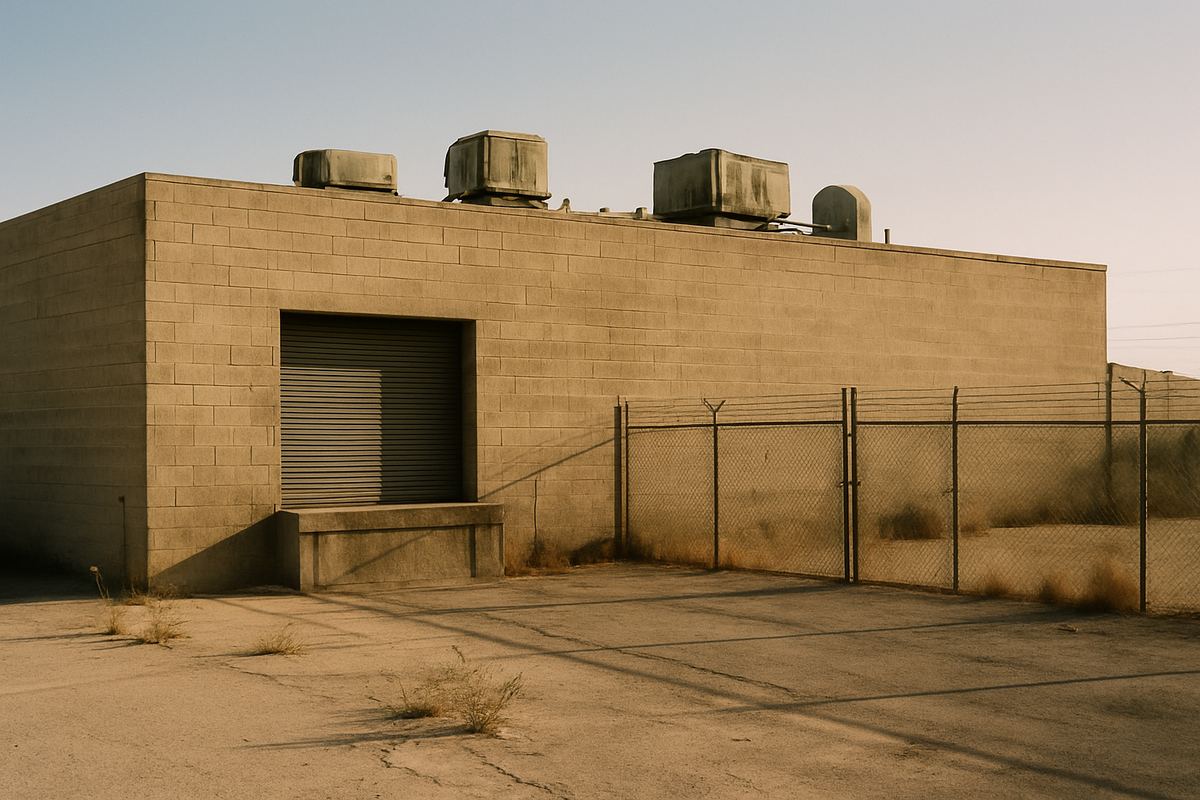
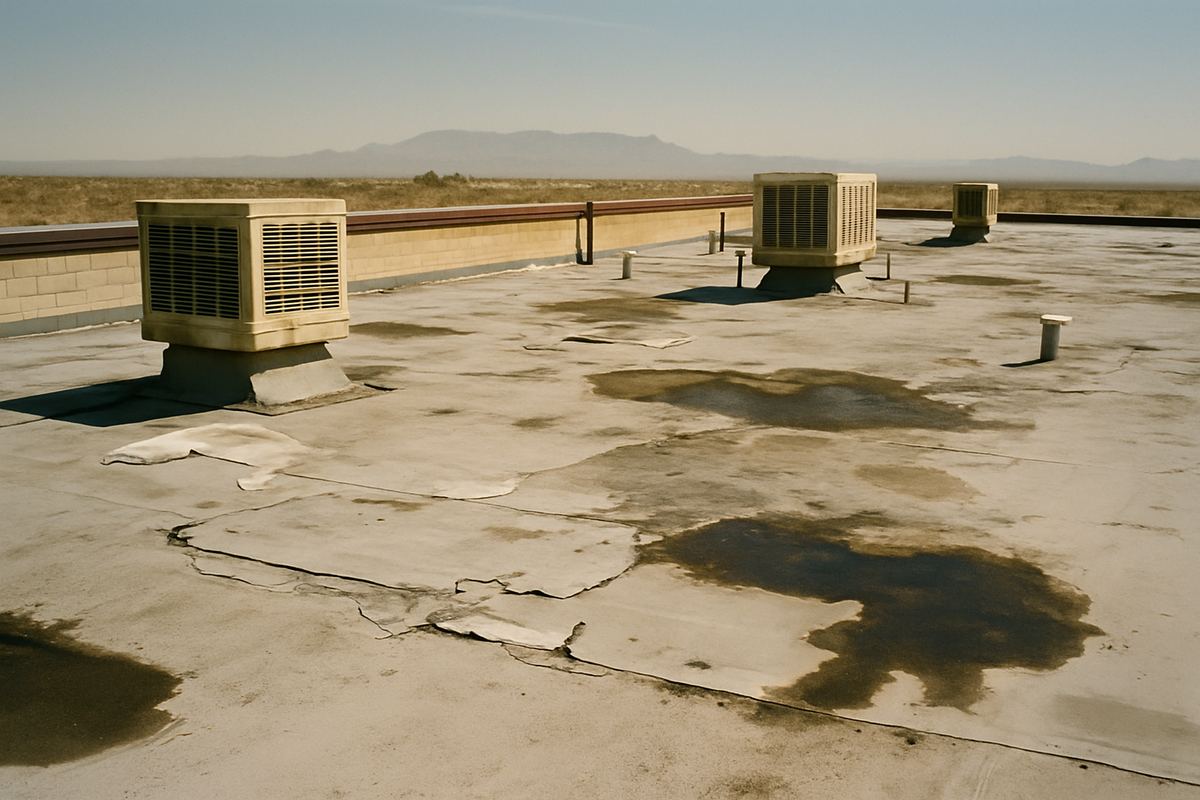
We look at the roof membrane, drainage and any signs of past leaks, the condition of tilt-up panels or block walls, the truck court and yard, the number and type of doors (dock-high or grade-level), parking, fencing and how trucks get in and out of the site.
Inside the building
Inside we check the slab for cracks and movement, the clear height, the electrical service and whether three-phase power is available, cooling for the warehouse and offices, the fire sprinkler system if there is one, restrooms, mezzanines and office build-outs. If something looks unpermitted or has an open code issue, we note it; it does not end the conversation. Our page on buying buildings with deferred maintenance explains how those problems are handled.
It helps to tell us what you already know: when the roof was last replaced, any past leaks, a tenant who ran heavy equipment, or a repair that was started and never finished. Local knowledge from the owner usually saves time and makes the offer more accurate.
Put a Number on It
Send the address and a few honest details. We will look at the building the way it actually is and come back with a cash offer — no listing, no repairs, no showings to strangers.
Prefer to talk it through first? The red button in the corner rings our line directly.
Documents That Help, and What to Do Without Them
None of these are required to get started, but each one makes the offer more precise:
- Leases, amendments and a current rent roll for occupied buildings
- Recent property tax bills and any loan statements
- Prior inspection reports, Phase I environmental reports or roof warranties
- Building plans, permits or a survey, if you have them
- A list of equipment, racking or inventory you plan to leave behind
If the paperwork is missing
Owners who inherited a building, or who are selling a warehouse after moving out of the valley, often have very little on hand. That is normal. Much of what we need is in public records, and the title company fills in the rest during escrow.
How Title and Escrow Work in Nevada
In Nevada, commercial sales usually close through a title company that also acts as the escrow holder, a neutral party holding the documents and money until every condition is met. Once the purchase agreement is signed, escrow opens and the title company orders a preliminary title report showing the recorded owners, loans, liens, judgments and any delinquent property taxes.
Liens and payoffs at closing
Existing loans, tax liens and mechanic's liens are typically paid from the sale proceeds at closing, so you do not need to clear them beforehand. Owners in that position may find our page on selling a warehouse under financial pressure or with liens useful. When everything is signed and funded, the title company records the deed with the Clark County Recorder and disburses the funds according to the closing statement you approved.
Selling a Building With Tenants in Place
Tenants do not need to leave for us to buy. Leases transfer to us at closing, and security deposits are credited so the obligation moves with the building. During escrow we may ask tenants to sign an estoppel certificate confirming the rent, term and deposit, which protects both of us from surprises.
What tenants hear, and when
You decide when tenants learn about the sale. We coordinate the walk-through around their operations and, after closing, send notice of where to pay rent. Landlords who are worn down by managing a multi-tenant building often start with our page on selling a warehouse you no longer want to manage. Flex and small-bay owners near Harry Reid International can also read about selling a leased building near the airport, and the common questions about tenants, fees and timing cover the rest.
Quick Answers
How long does the whole process take?
It depends mostly on the title work and on the date you choose. A building with clean title and a single owner can move quickly once the purchase agreement is signed. Estates, liens, multiple owners or tenant estoppels add steps. We set the closing date with you up front and put it in the agreement rather than promising a speed that may not fit your situation.
Do I need to be at the walk-through?
It helps, but it is not required. Many owners meet us there so they can point out what they know about the roof, the electrical or past repairs. If you live out of state or the building is tenant-occupied, a property manager, tenant or family member can let us in, and we follow up with you by phone afterward.
Can I use my own attorney or accountant?
Yes, and we encourage it, especially for estates, partnerships and tax questions. We do not give legal or tax advice. We will send the purchase agreement to your attorney for review and work with your accountant on anything they need, such as figures for a 1031 exchange or estate filing.
What if I sign and then need a different closing date?
Tell us as early as you can. Closing dates are written into the purchase agreement, but they can be changed by a written amendment signed by both sides. Sellers move dates for real reasons, such as a court hearing or a delayed relocation, and we try to accommodate that whenever the title company's timeline allows.