Selling a Warehouse You Inherited in Las Vegas
An industrial building is a hard thing to inherit from a distance or in the middle of grief. We buy estate warehouses as they sit and work at the pace your attorney and the court set.
- Bought as-is
- No agent commission
- You pick the closing date
- Tenants can stay
- Local to Las Vegas
When a warehouse arrives through an estate
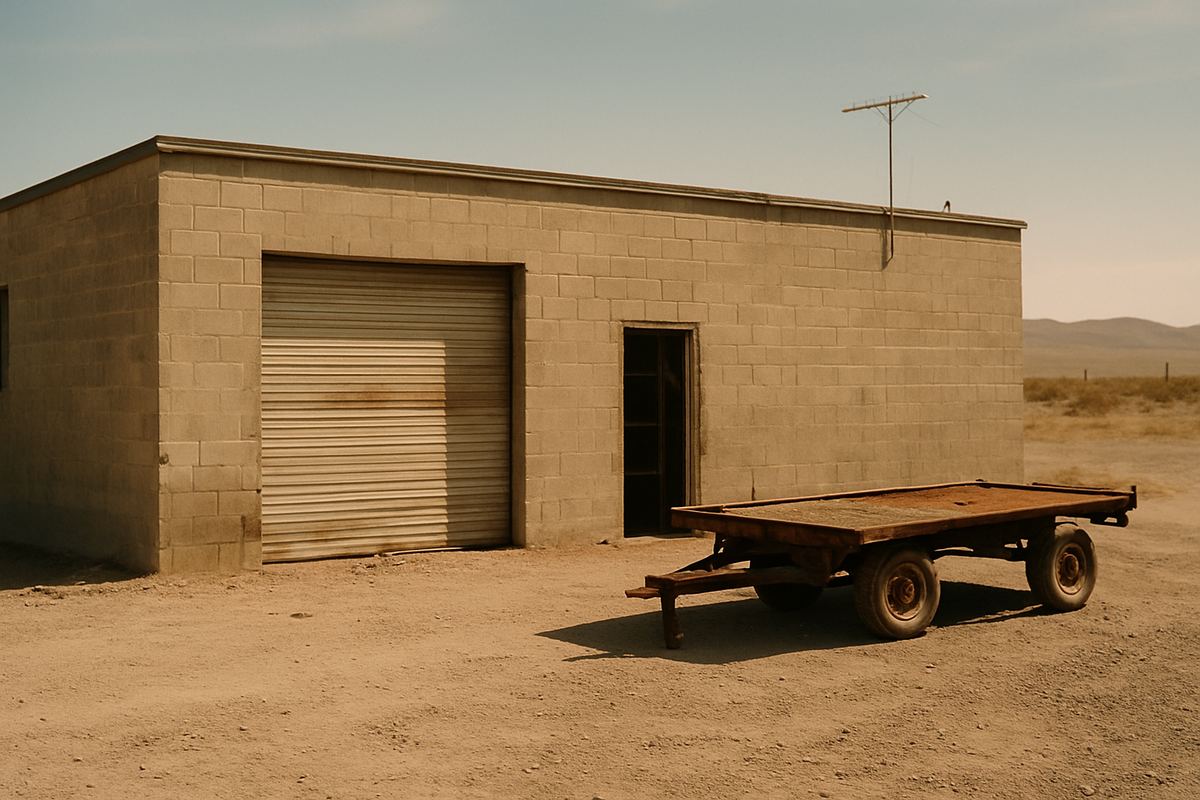
Most of the heirs we talk to did not ask for a warehouse. A parent ran a sheet metal shop out of a CMU block building for decades, or an uncle bought a small-bay flex property as a retirement investment and never told anyone how the leases worked. Now the property taxes, the insurance renewal and the utility bills are landing on someone who lives in another state, works a full-time job, or simply has no interest in becoming an industrial landlord.
Selling is not the only option, and it is not always the right one. Some families keep a well-leased building and hire a manager. But when the roof membrane is at the end of its life, the swamp coolers have not run in years, and the back lot is full of equipment nobody can identify, a direct sale to a cash buyer is often the cleanest way to settle the estate. We buy as-is, so nobody has to fly in to empty the building, chase a roofer or order repairs before the estate can close. If the condition worries you, our page on selling a warehouse with roof, slab or code problems covers what we see most often.
Who has the authority to sign
Before any buyer can close, someone has to have legal authority to transfer title. In Nevada that depends on how the owner held the building and whether there was a will. Probate matters in Clark County are handled by the Eighth Judicial District Court, and the Clark County courts website has public information on the probate process. What follows is general background, not legal advice; your estate attorney should confirm what applies to your family.
If there was a will
The person named as executor usually petitions the court and, once appointed, receives letters testamentary. Those letters are what a title company asks to see before it will insure a sale.
If there was no will
The court appoints an administrator, often a close family member, who receives letters of administration. Smaller estates may qualify for a simplified summary administration, though a sale of real property can still require notice and court confirmation. Your attorney can tell you which track the estate is on.
If the building was in a trust or an LLC
A warehouse titled to a living trust can often be sold by the successor trustee without probate. If the building sits inside an LLC, the question becomes who controls the company under its operating agreement. Either way, we work with whoever holds signing authority and with the title company that verifies it.
Put a Number on It
Send the address and a few honest details. We will look at the building the way it actually is and come back with a cash offer — no listing, no repairs, no showings to strangers.
Prefer to talk it through first? The red button in the corner rings our line directly.
How an estate sale to us usually runs
Every estate moves at its own speed, and the court calendar often sets the pace more than the buyer does. A typical sequence looks like this:
- Tell us about the building. The address, rough size, whether it is vacant or leased, and who in the family is handling things. You do not need letters in hand to start the conversation.
- We walk the property. An heir, the attorney or a neighbor with a key can let us in. We look at the clear height, the doors, the power, the roof and whatever was left inside, then make a written cash offer.
- The representative signs a contract. Once the executor, administrator or trustee has authority, the purchase agreement is signed and opened with a title company. If court confirmation is required, the contract is written subject to it.
- Court confirmation, if the estate needs it. Some Nevada probate sales go before the court for approval, and other buyers may be allowed to bid at that hearing. Your attorney handles the filing; we show up ready to close on our accepted terms.
- Closing on the date the estate chooses. Proceeds go to the estate through title, and the estate distributes them to heirs under the will, the trust or Nevada law.
Our general walkthrough of how a direct warehouse sale works covers the parts that are the same for every seller.
What heirs usually find when they open the doors

Estate buildings tend to share a few traits. They were owned for a long time, maintained just enough to keep running, and filled with the working life of the person who owned them.
Contents, equipment and leftover inventory
Pallet racking, a forklift that may or may not start, drums of unknown fluid, filing cabinets, old vehicles in the yard. You can take what has sentimental or resale value and leave the rest. Anything that raises an environmental question, such as stained floors near a former paint booth, is something we would rather see in person and discuss openly than have you try to clean up yourself.
Tenants still in the building
Some inherited warehouses come with a tenant on a triple-net lease, a handshake month-to-month arrangement, or someone who stopped paying when the owner got sick. We buy tenant-occupied buildings and take over the lease as it stands. Families who have been dealing with a long run of tenant headaches may also relate to our notes on the wear of managing an industrial rental.
Splitting the result among several heirs
When three siblings inherit one building, a cash sale turns an asset that cannot be divided into a number that can. That is often the main reason families sell instead of holding. We have no stake in how the proceeds are shared; the estate or the trust decides that, and the title company pays out according to its instructions.
When one heir wants to keep it
It is common for one family member to want to hold the building while the others want out. An offer from us gives everyone a concrete reference point, and sometimes the heir who wants to keep it uses that figure to buy out the others instead. Disagreements between co-owners can look a lot like the ones we cover on the page about selling a jointly owned building during a separation, and the same neutral approach applies.
Heirs who live outside Nevada can usually handle nearly all of this remotely. Title companies routinely arrange mobile notaries or out-of-state signings, and we can walk the building with a local family friend or the estate attorney instead of making you fly in.
Estate buildings across the valley
Many inherited properties are older stock: block buildings off Industrial Road and Western Avenue in the older West Central industrial corridor, or grade-level shops and yards in North Las Vegas industrial neighborhoods. We also see newer tilt-up flex units left to heirs in Henderson's industrial areas. Location changes how the building is valued, but not whether we will look at it. Our answers for warehouse sellers cover more, or reach us through the contact page.
Quick Answers
Can we sign a contract before probate is finished?
Often the representative can sign once the court has issued letters testamentary or letters of administration, even though the estate is still open. If the sale needs court confirmation, the contract is written subject to that approval. Before letters are issued, nobody has authority to sell, but we can still look at the building and talk numbers. Confirm the timing with your estate attorney.
Do the heirs need to clean out the warehouse first?
No. Take anything the family wants to keep, and leave the rest. Old racking, office furniture, scrap and vehicles in the yard can stay where they are. If something inside raises a possible environmental concern, tell us about it so we can look at it together rather than having anyone handle it without the right help.
What if the building has a tenant with a long lease?
We buy tenant-occupied warehouses and step into the existing lease. It helps if the estate can find the signed lease, any amendments and a record of recent rent payments, but missing paperwork does not stop us from making an offer. The title company and attorneys sort out the assignment of the lease at closing.
Will an estate sale to you always need a court hearing?
Not always. It depends on how the estate is being administered, what authority the court granted the representative, and whether the building was held in a trust instead of in the owner's own name. Some Nevada probate sales require notice and court confirmation, and others do not. Your estate attorney is the right person to confirm which applies.