Done Being the Landlord? Sell the Industrial Building and Step Away
Owning a leased warehouse was supposed to be the easy part of your portfolio. If it has turned into a steady stream of tenant calls, vacancies, and repair bills, you can sell it with tenants in place and be done.
- Bought as-is
- No agent commission
- You pick the closing date
- Tenants can stay
- Local to Las Vegas
The slow grind of owning a leased warehouse
Most owners on this page do not have one big problem. They have a hundred small ones that never stop. The building is fine on paper, the rent mostly comes in, but the work of owning it has quietly become a part-time job you did not sign up for.
Tenant turnover and the gaps between leases
Industrial tenants move out, downsize, or go out of business, and each turnover means marketing the space, paying a leasing commission, negotiating tenant improvements, and covering taxes and insurance while the bay sits empty. Multi-tenant flex buildings repeat that cycle constantly, one unit at a time.
Repair calls that still land on you
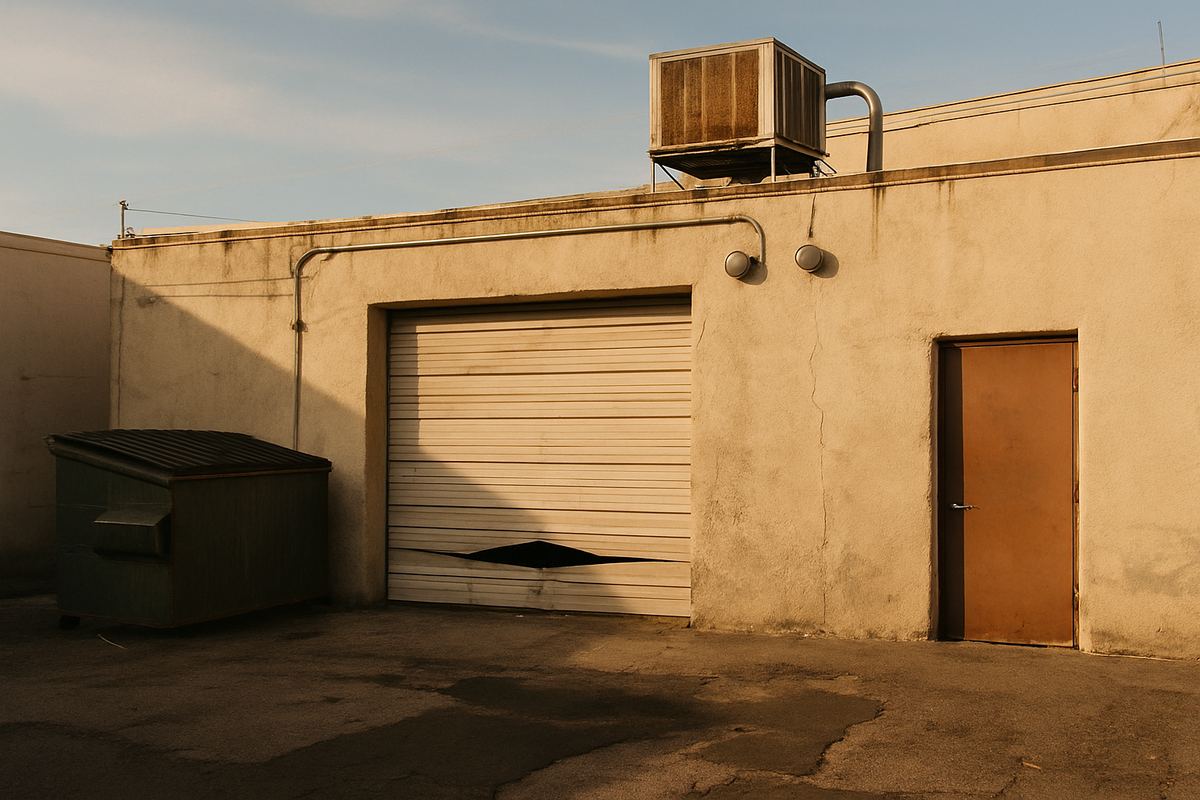
Even a well-written lease rarely makes a building completely hands-off. Depending on the lease, the roof, structure, parking lot, or major systems may still be the landlord's responsibility. When a swamp cooler fails in July or a roll-up door spring snaps, the tenant calls you, and you are the one finding a contractor.
Managing alone or from a distance
Some owners self-manage to save the fee and end up handling everything. Others pay a property manager and still get pulled into every decision. If you have moved away and the building is now an out-of-state headache, our page on selling before or after you leave Las Vegas covers the remote side.
Triple-net doesn't always mean hands-off
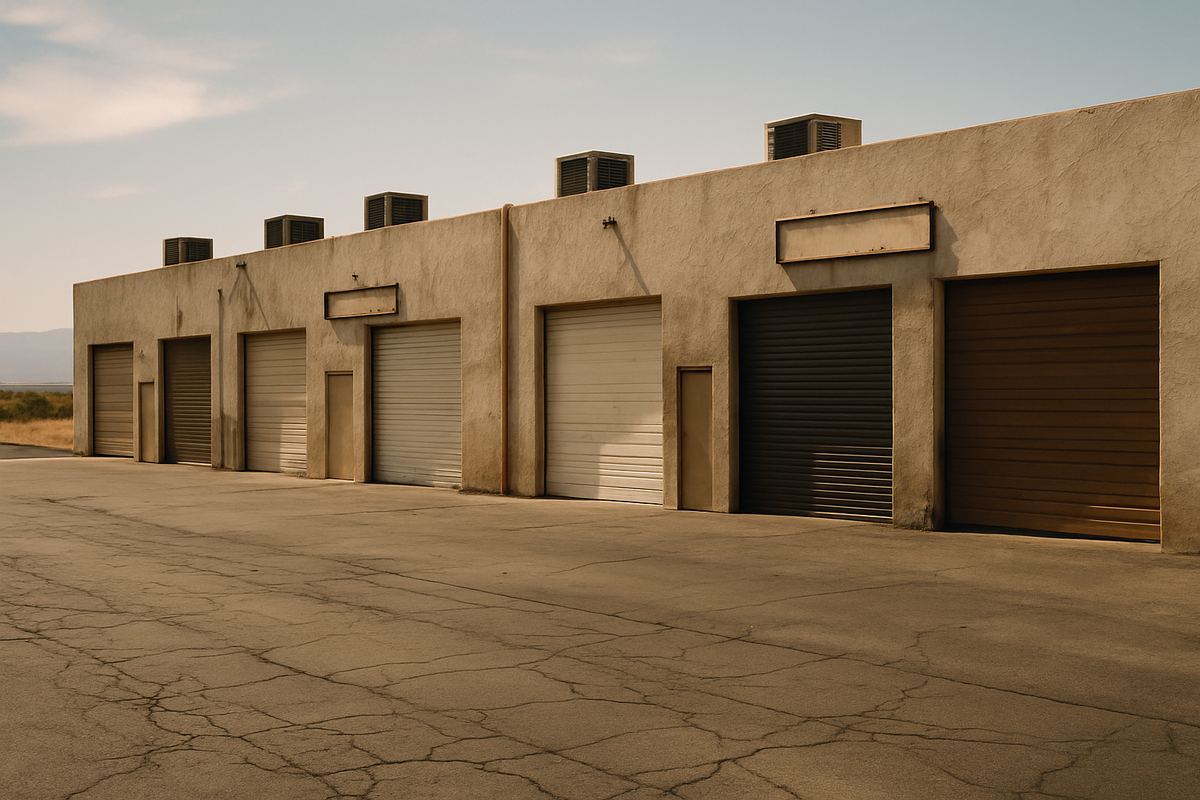
A triple-net lease shifts taxes, insurance, and maintenance to the tenant, at least in theory. In practice it still needs a landlord. Someone has to send the annual reconciliations, chase a tenant who disputes them, confirm the tenant's insurance is current, and make sure the maintenance the tenant is responsible for actually happens. When it does not, the deferred work becomes the owner's problem at the next turnover.
When the effort outweighs the rent
At some point many owners do the honest math on their own time. Count the evenings spent on tenant emails, the weekends meeting contractors, the vacancy months, and the reserve you keep for the next roof or parking lot repair. Some find the building still makes sense. Others realize they would rather have the equity in hand and their time back, and a direct sale is a clean way to make that trade.
Then there are defaults. A struggling tenant stops paying, and suddenly you are dealing with notices, attorneys, and a unit full of abandoned equipment. If missed rent has started to squeeze your own loan payments, our page on selling a warehouse when cash flow is tight may be the more urgent read.
Put a Number on It
Send the address and a few honest details. We will look at the building the way it actually is and come back with a cash offer — no listing, no repairs, no showings to strangers.
Prefer to talk it through first? The red button in the corner rings our line directly.
Selling a building that's still leased
You do not have to wait for tenants to leave or try to fill vacant units before selling. We buy industrial buildings that are fully leased, partly vacant, or completely empty. Existing leases generally carry over to the new owner, so your tenants keep operating and you stop being their landlord at closing.
What we'll ask for on a leased building
- Copies of every current lease and any amendments
- A rent roll showing who pays what and who is behind
- Security deposit amounts, which title transfers at closing
- Any service contracts you want ended or handed over, such as landscaping or fire sprinkler inspections
- Notes on open tenant complaints or known disputes
If the reason you are tired is a specific physical issue, such as a roof that needs replacing or a cracked slab, the page about selling a warehouse with roof, slab, or code problems goes into that directly. This page is about the management load itself: the calls, the paperwork, and the feeling that the building owns you instead of the other way around.
Getting out from under it, one step at a time
- Tell us about the building and the tenants. How many units, what is leased, what is vacant, and what has been wearing on you.
- Send the leases and rent roll. We review them before or alongside the walkthrough so the offer reflects the actual income and obligations.
- We walk the property with notice to tenants. Leases usually require advance notice to enter, and we follow whatever yours say.
- You get a cash offer on the building as it is. No repairs, no filling vacancies first, no listing.
- Close through title on your chosen date. Deposits and prorated rents are settled at closing, and tenants are notified of the new owner.
For a fuller picture of each stage, our step-by-step buying process lays it out.
Where we buy leased industrial property
Landlord fatigue shows up most in multi-tenant flex and small-bay buildings, where turnover is constant. We see a lot of them near Harry Reid International along Sunset and Russell, covered on our airport-area warehouse page, and in the older industrial blocks of East Las Vegas. Owners in Henderson with buildings along Gibson Road or Sunset Way reach out for the same reasons. Whether the building is a single-tenant warehouse with a long-term lease or a row of small units that turn over every year, the sale works the same way, and you do not need a property manager's permission or a broker's listing to start the conversation.
If you own the building with partners or as part of a larger portfolio and the group wants out, read about liquidating a warehouse investment as well. Common questions about tenants, title, and closing are answered in our seller questions page.
Quick Answers
Do my tenants have to move out before you buy?
No. We buy buildings with tenants in place. In most cases the existing leases stay in force after closing, and the tenants simply start paying the new owner. We review every lease before making an offer so we understand the rent, term, renewal options, and who is responsible for what.
Will my tenants find out I'm selling?
They will need to know at some point because we have to walk the building, and leases usually require notice before entry. Beyond that, you control the timing of the conversation. After closing, tenants receive notice of the new owner and where to send rent.
One of my tenants is behind on rent. Can I still sell?
Yes. Tell us about it up front, along with any notices you have sent. A tenant in default affects how we look at the building, but it does not stop a sale. We would much rather know about the situation before making an offer than find out during escrow.
Should I fill the vacant units before selling?
You do not have to. Leasing a vacant unit can mean paying a leasing commission, funding improvements, and waiting months for the right tenant. We buy partly or fully vacant buildings and account for vacancy in the offer, so you can sell now rather than after another round of leasing.