Moving Away From Las Vegas? Sell the Warehouse Before It Becomes a Long-Distance Problem
An industrial building is hard enough to own when you live twenty minutes away. From another state, every roof leak, tenant call, and break-in becomes a phone call you can't answer in person.
- Bought as-is
- No agent commission
- You pick the closing date
- Tenants can stay
- Local to Las Vegas
Owning an industrial building from somewhere else
People leave Las Vegas for all kinds of reasons: family back home, a new job, a spouse's transfer, or simply wanting a different climate after a few too many summers. The house usually sells first because it is the obvious task. The warehouse, the flex building, or the contractor yard often gets pushed to later, and later turns into managing it from a thousand miles away.
The building keeps needing attention after you leave
Desert heat is hard on industrial buildings. Roof membranes dry out and split, evaporative coolers need seasonal startup and pads replaced, and monsoon storms find every weak flashing detail. A local owner can drive over and look. A remote owner has to find a contractor, trust the quote, and hope the work actually got done. The physical side of that is covered on our page about selling a warehouse with roof, slab, or system problems.
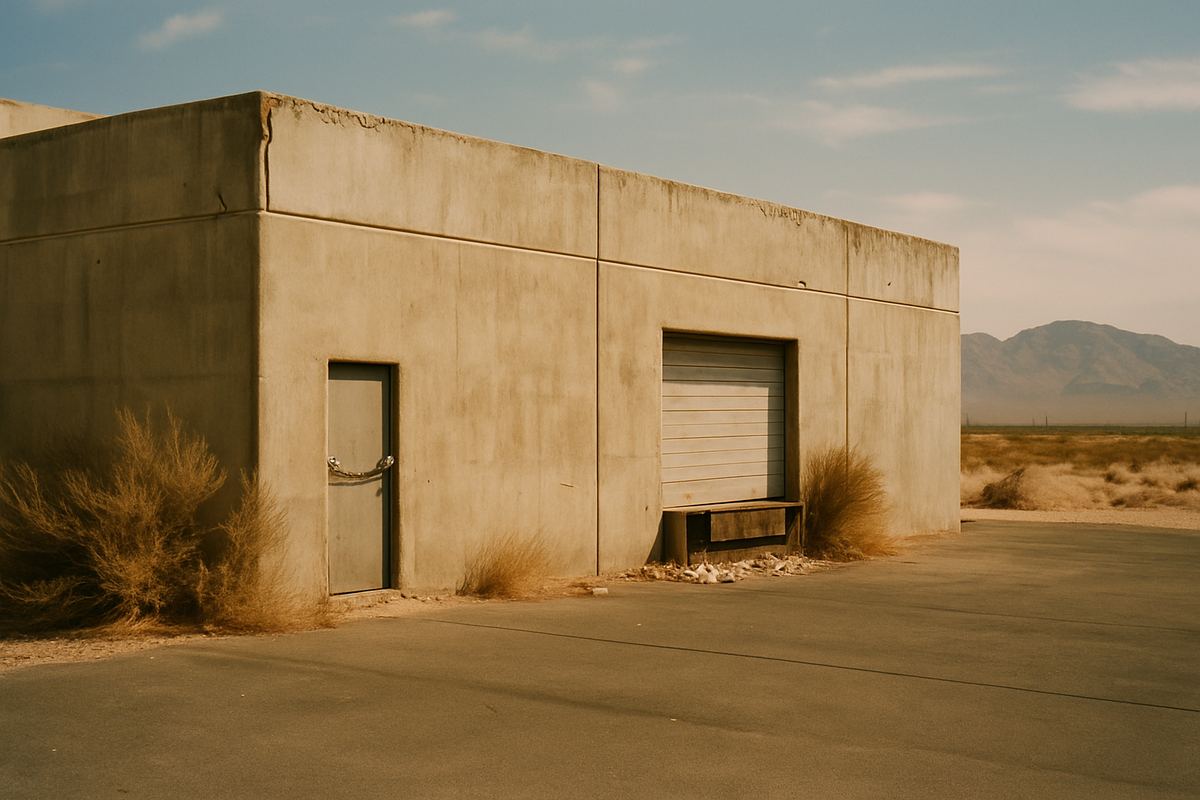
Vacant buildings and the absentee owner
An empty industrial building is a target. Copper wiring, HVAC units, and anything left inside attract theft, and graffiti and illegal dumping in the yard tend to follow. Insurance carriers also take a harder look at vacant commercial property. If the building is leased, you trade those worries for tenant calls, rent collection, and lease renewals handled long-distance, which is the kind of grind described in our page for worn-out industrial landlords.
Fitting the sale around your moving date
The biggest advantage of selling directly to a cash buyer during a move is control over the calendar. You pick the closing date. There is no listing period of unknown length, no waiting on a buyer's lender, and no showings to schedule while you are packing or already gone.
| If you want to | What that usually looks like |
|---|---|
| Close before you leave | We walk the building early, you sign in person at a Las Vegas title office, and the proceeds are available before your move. |
| Close after you're gone | You lock in the agreement while you are still here, then sign the closing documents remotely when the date arrives. |
| Move out of the building last | Set the closing date after your final day in the space so you are not running two moves at once. |
Leaving things behind in the building
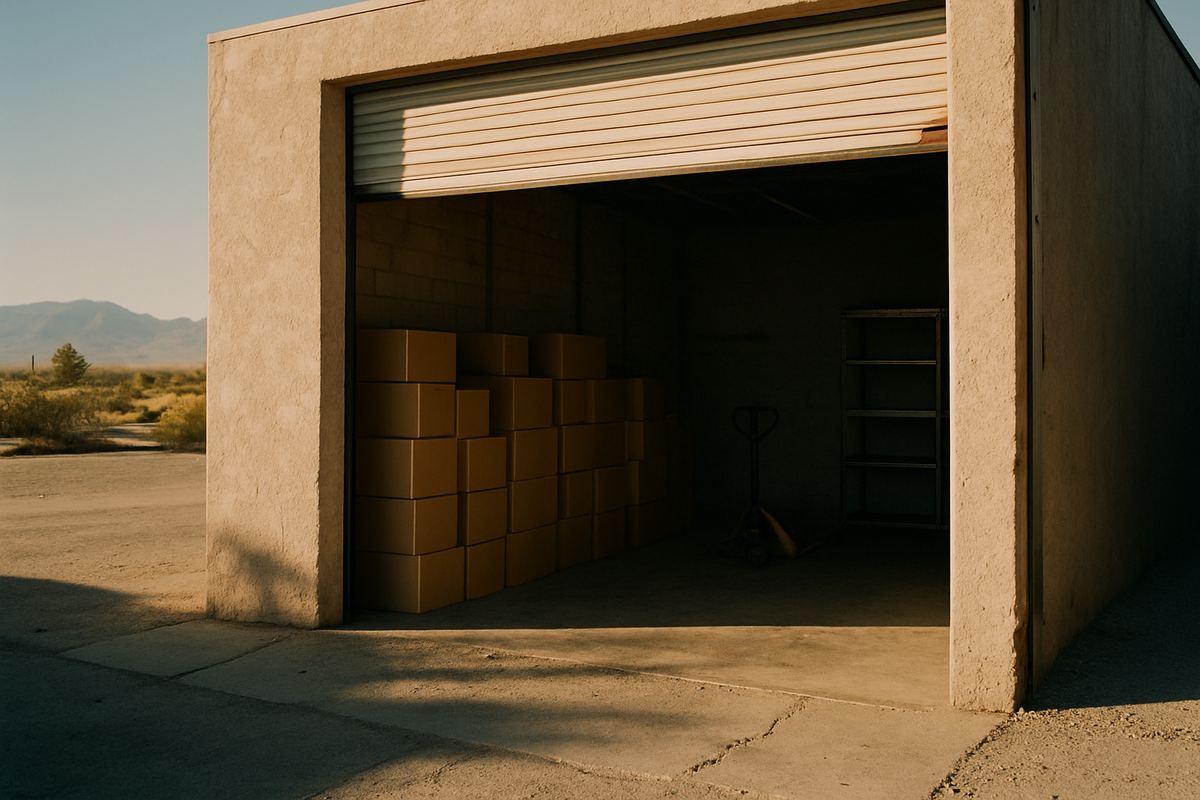
Moving trucks are expensive, and shipping old shelving, scrap metal, or half-used materials across the country rarely makes sense. Because we buy as-is, you can take what matters and leave the rest. Let us know what will stay so it is reflected in the offer.
Put a Number on It
Send the address and a few honest details. We will look at the building the way it actually is and come back with a cash offer — no listing, no repairs, no showings to strangers.
Prefer to talk it through first? The red button in the corner rings our line directly.
Signing the closing documents from out of state
A remote closing is routine for title companies. Once you are out of Nevada, the title or escrow officer typically sends the deed and closing package to you, you sign in front of a notary where you now live, and the originals go back by overnight courier. Some title companies also offer mobile notaries or electronic options, depending on the documents involved.
What to keep handy before you go
Before you leave town, gather the documents title will ask for: your vesting deed or at least the parcel number, the name of the entity that holds title if it is not you personally, operating agreements or authority to sign for that entity, any current leases, and the payoff contact for any loan on the building. Having these ready makes a remote closing much smoother. Our answers to common seller questions cover title and payoff basics as well.
A relocating owner's sale, step by step
- Tell us your moving date. Even a rough window helps. We build the timeline backward from when you leave or when you want to be done with the building.
- Schedule a walkthrough while you're still local. If you have already moved, a property manager, tenant, or trusted contact can let us in, and we can talk through what we saw by phone.
- Review a cash offer for the building as it stands. No repairs or cleanup first. The offer reflects the property after we have actually looked at it.
- Open escrow with a local title company. Title confirms ownership, signing authority, and any payoffs, and arranges remote signing if you will be out of state.
- Close on the date you chose. There is no listing and no agent commission on a direct sale, and proceeds are paid out through title.
The full buying sequence is laid out in how a direct warehouse sale works.
When the move is part of a bigger change
A relocation is often tied to something else. Some owners are retiring and closing the business at the same time, which is the situation on our page about selling the building when the business closes. Others are moving a still-running operation to a new market and need the equity from the Las Vegas property to fund the next location.
Moving a running business to a new market
If your company is heading to another state, the Las Vegas building is often the largest source of cash for the move: deposits on a new lease, equipment transport, and the gap before revenue picks back up in the new market. A sale with a closing date you control lets you plan those costs instead of guessing when a listed building might sell. If the operation is staying in the valley and only needs a different size of building, that is covered separately under selling when your business moves to a bigger or smaller facility.
We buy across the valley, from older buildings on the east side covered under our East Las Vegas warehouse page to newer properties along the I-15 north corridor near the Motor Speedway and Apex, described on our Speedway and Apex area page. Owners leaving from the southwest valley around Arville and Dean Martin follow the same process, and so do owners elsewhere in the valley.
Quick Answers
Do I need to come back to Las Vegas to close?
In most cases, no. Title companies regularly handle closings for sellers who live out of state. The closing documents are sent to you, you sign in front of a notary where you live, and the originals are returned to the title company. Your title officer will tell you exactly which documents need a notary and how they should be sent back.
Who can let you into the building if I have already moved?
Anyone you trust and authorize: a property manager, a tenant, a neighbor with a key, or a friend in town. We walk the building, look at the roof, doors, slab, and systems, and then talk through what we saw with you by phone before making an offer.
Can I sign the purchase agreement now and close months later?
Often, yes. If you know your move is coming, we can agree on terms now and set a closing date further out. Tell us what timeline you have in mind when we first talk, and we will see whether it works for the specific property.
My building has a tenant. Do they have to leave before I sell?
No. We buy tenant-occupied industrial buildings, and the lease generally stays in place through a sale. We will ask for a copy of the lease and the tenant's payment history, and title will coordinate the transfer of any security deposit at closing.