Moving Your Operation to a Bigger or Smaller Building? Sell the One You're Leaving
Your company is still running. It just doesn't fit the building anymore. We buy the facility you are moving out of, so the equity goes toward the one you are moving into.
- Bought as-is
- No agent commission
- You pick the closing date
- Tenants can stay
- Local to Las Vegas
A healthy business in the wrong-sized building
This page is for owners whose operation is continuing. Nobody is retiring, nothing is shutting down. The company has grown past what the building can handle, or it has gotten leaner and is paying for space it no longer uses. If the business itself is ending, our page on selling the building when a business closes or is sold fits better.
Signs you've outgrown the space
- Clear height limits how high you can rack, so you are stacking out instead of up.
- You only have grade-level roll-up doors, but your freight now arrives on trailers that need dock-high loading.
- There is no room in the yard for trucks to stage or turn, or for laydown of materials.
- Your equipment needs more three-phase power than the service can deliver.
- You have spilled into rented overflow space across town.
Signs the building is now too big
- Whole bays sit dark while you pay taxes, insurance, and utilities on all of them.
- Cooling a building twice the size you need costs real money every summer.
- You have tried subleasing part of it and found you do not want to be a landlord.
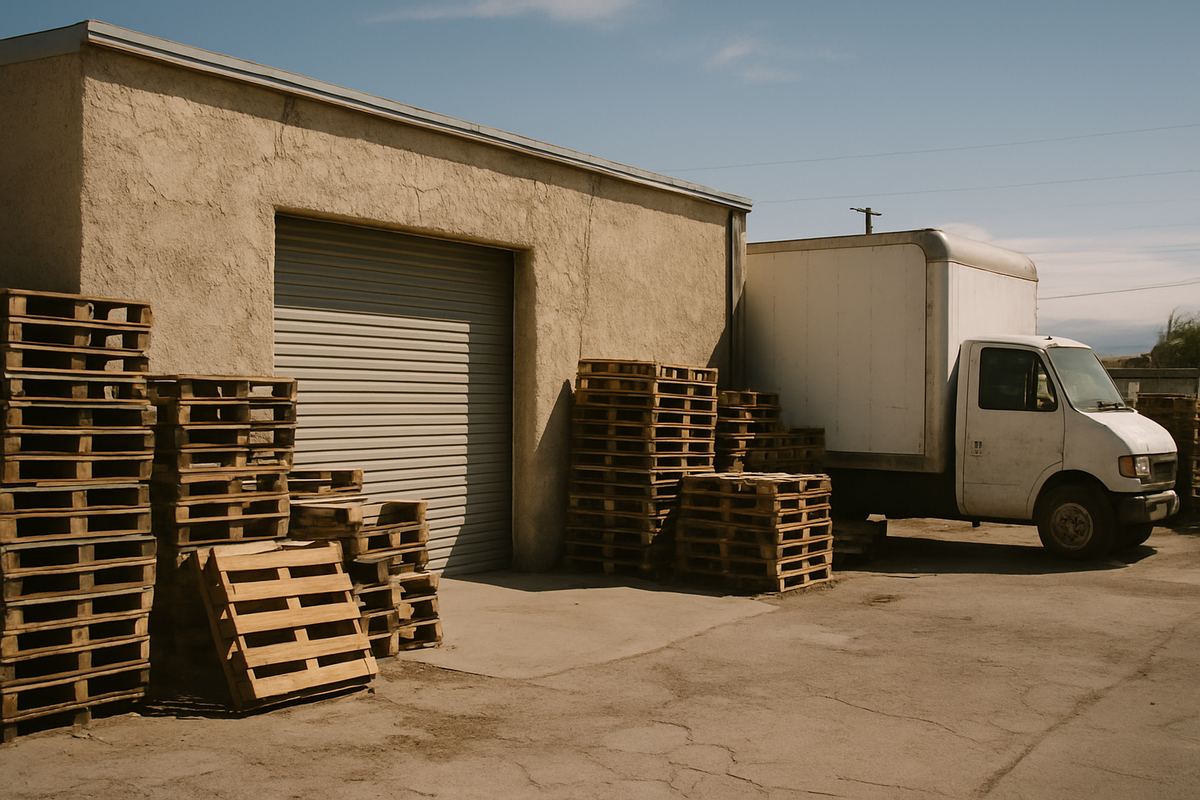
Carrying two buildings at once
The hard part of a move is the overlap. The new facility needs a down payment, tenant improvements, or both, and the money for that is often tied up in the building you are leaving. Meanwhile your crew, inventory, and equipment cannot move in a single weekend. Listing the old building puts its sale on an unknown timeline that may not line up with either date.
Using the equity for the next facility
When the old building sells to a cash buyer with a closing date you set, you know when the funds will arrive and can plan the purchase or lease of the new space around it. That certainty is often worth more to a growing business than squeezing the last dollar out of a long listing.
Lining up move-out with move-in
Some owners close the sale right after the new building is ready. Others want to close first and need a short window to finish moving. Tell us which way you need it to go when we first talk. You pick the closing date, and we would rather plan around your move than force you to pack early.
Put a Number on It
Send the address and a few honest details. We will look at the building the way it actually is and come back with a cash offer — no listing, no repairs, no showings to strangers.
Prefer to talk it through first? The red button in the corner rings our line directly.
What happens to the improvements you made
Owner-users customize. Over the years you may have added a mezzanine, run compressed air lines, upgraded the electrical, built offices, or cut in a new door. A buyer on the open market may value some of that and see the rest as demolition. Because we buy as-is, you do not need to remove improvements or restore the building to a blank shell before selling.
Wear from years of steady operation
The same goes for wear. A busy operation is hard on a building, and that is a sign it was being used, not neglected. Forklift traffic chews up a slab, dock levelers get tired, and roof membranes age whether the business is thriving or not. If there is a specific problem like a failing roof or old swamp coolers that is driving the decision, read about selling a warehouse with known physical problems. Otherwise, we look at the building for what it is and make an offer after we have seen it. You do not need to patch the slab, service the dock levelers, or repaint the offices before we come out. Spending money on a building you are leaving rarely helps a growing business, and it takes attention away from getting the new facility running.
The sale, matched to your move
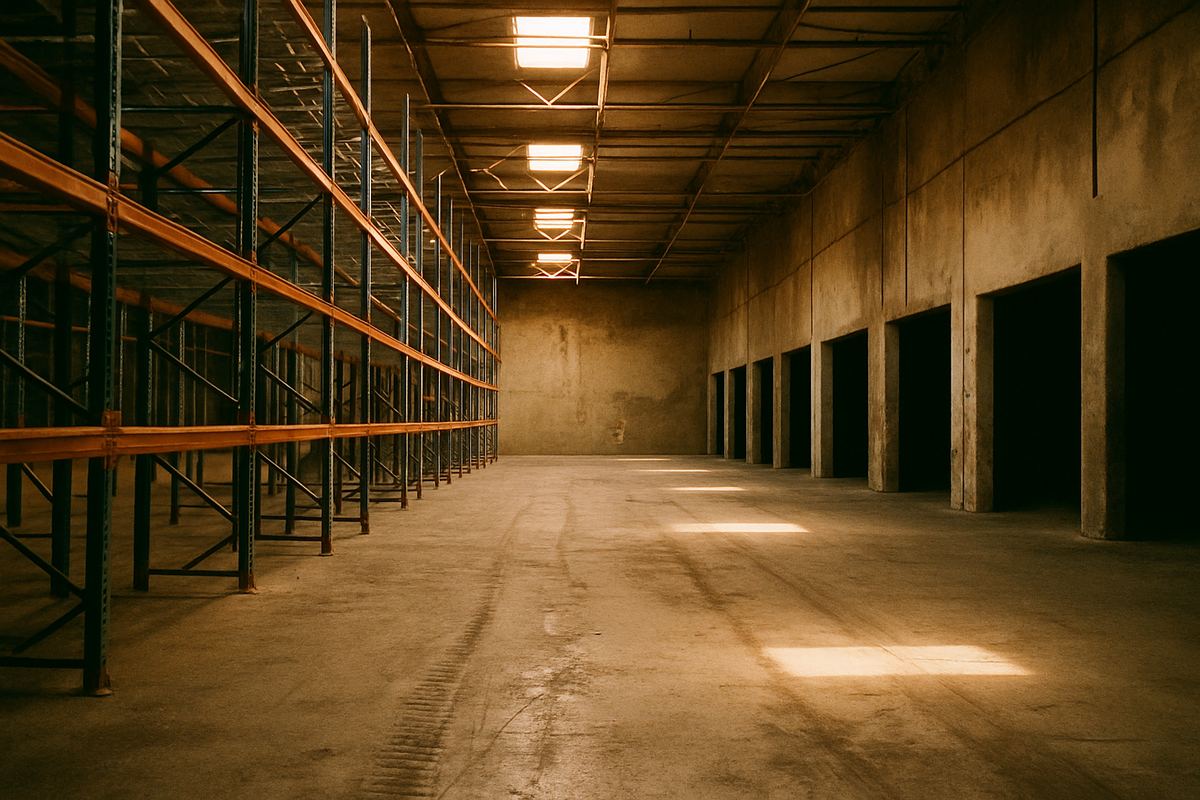
Here is how a sale usually runs when the business is moving to a different facility. The broader process is described in how we buy warehouses directly.
- Share your timeline for the new building. Expected move-in date, whether you are buying or leasing, and whether the purchase depends on proceeds from this sale.
- We walk the current building while you are still operating. No need to shut down or stage anything. We work around your crew.
- You get a cash offer based on what we saw. If you want to take racking, equipment, or fixtures with you, tell us, and the offer reflects what stays.
- Title opens escrow and confirms the details. Ownership, any loan payoff, and who signs for the entity that holds title.
- Close on the date that fits the move. No listing, no showings during business hours, and no agent commission on a direct sale.
Changing buildings across the valley
Moves within Las Vegas tend to follow a pattern. Businesses outgrowing older, smaller buildings in the central industrial corridor west of the Strip often look toward larger, newer distribution buildings in North Las Vegas or up the I-15 toward the Speedway and Apex area. Companies scaling down sometimes go the other way, trading a large building for a smaller flex unit closer to customers in the southwest valley.
Whichever direction you are going, we buy the building you are leaving. If the move takes you out of Nevada entirely, the extra steps for remote signing are covered on our page about selling an industrial property when you leave Las Vegas. Questions about inspections, tenants, or what we need from you are in the seller FAQ.
Quick Answers
Can we keep operating in the building until the new facility is ready?
That is the usual goal. We walk the building while you are still working in it, and the closing date is set around your move. Tell us early whether you need to close before or after your move-in date so the purchase agreement reflects the timeline you need.
Do I have to take out the mezzanine or office buildout before selling?
No. We buy the building as it stands, including improvements you added over the years. If there is something you want to take with you, such as racking, compressors, or dock equipment, let us know before we make an offer so we can account for what stays and what goes.
Is this different from selling because my business is closing?
Yes. Here the business continues and the timing is driven by a move to another facility, so coordinating the overlap is the main concern. When a business is closing or being sold without its real estate, the questions shift to winding down, leftover equipment, and entity paperwork.
We are leasing our next building. Does that change anything?
Not for our purchase. Whether you buy or lease the new facility, the sale of your current building works the same way. Leasing does mean your new landlord may have a firm commencement date, so share it with us and we will plan the closing around it.